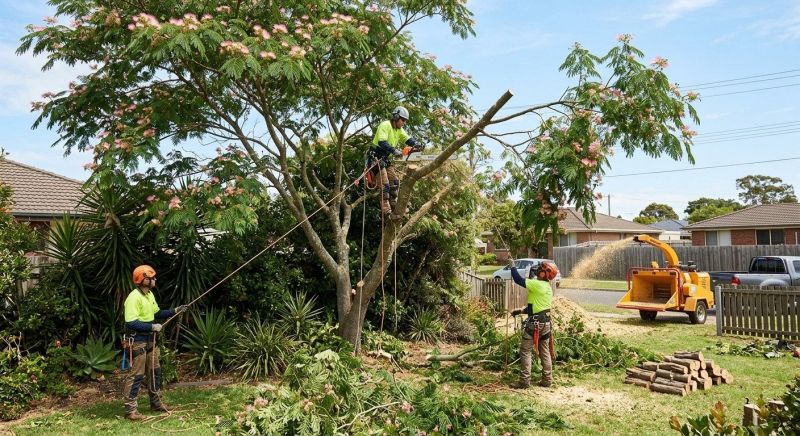
Dogwood Tree Removal in Bucks County, PA
Dogwood tree removal services involve the careful and efficient removal of dogwood trees that are damaged, diseased, or no longer suitable for a property. This service covers a variety of projects, including removing dead or hazardous trees, clearing space for new landscaping, or managing trees that interfere with power lines, structures, or other landscape elements. Property owners typically want to understand the scope of work involved, potential impacts on their landscape, and any necessary preparations before the removal process begins.
Before requesting dogwood tree removal, homeowners should consider the size and location of the tree, as well as any nearby structures or utilities. It is also helpful to know if the tree shows signs of disease or damage, which can influence the removal approach. Clarifying these details can ensure the process is safe and efficient, and that any additional services, such as stump grinding or cleanup, are included as needed.
Many property owners in Bucks County, PA look into Dogwood Tree Removal for repairs, replacements, upgrades, and appearance-related improvements.
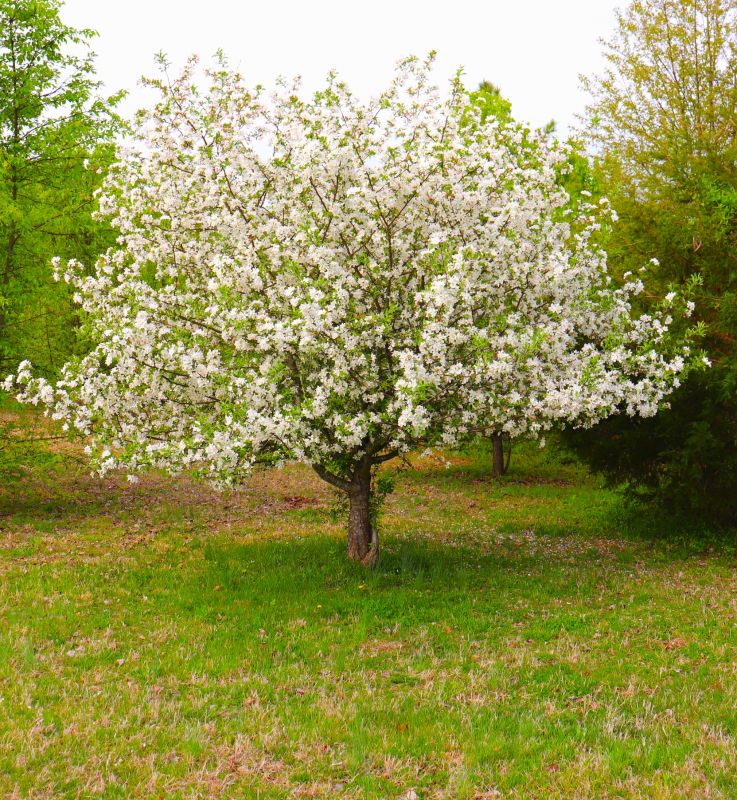
Tree Removal For Safety
Removing dogwood trees that pose a risk to structures or passersby helps ensure property safety.
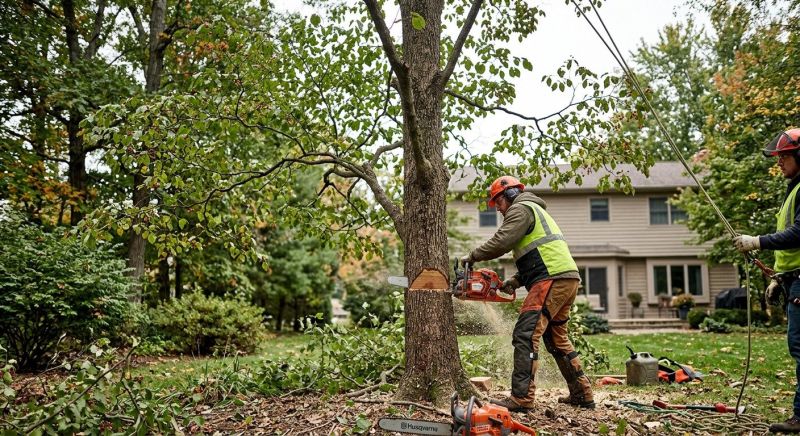
Enhancing Landscape Appearance
Selective dogwood removal can improve curb appeal and create space for new plantings.
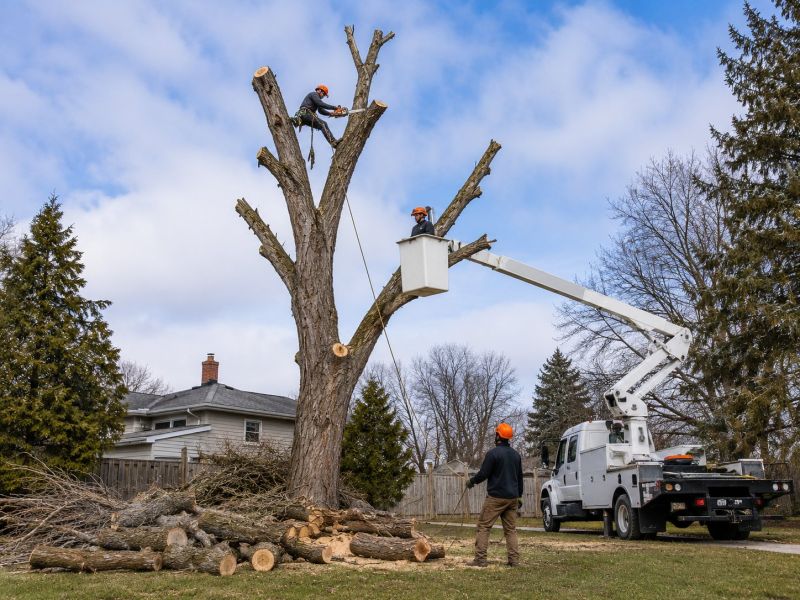
Managing Tree Health
Removing damaged or diseased dogwoods helps maintain the health of surrounding trees and plants.
Dogwood Tree Removal in Bucks County, PA
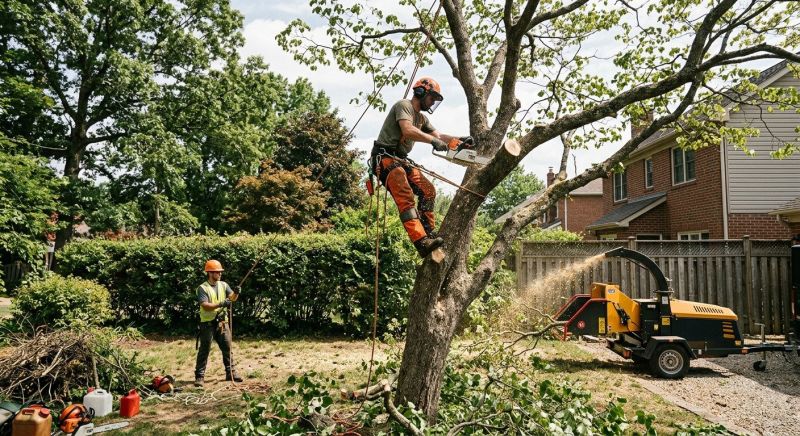
Dogwood tree removal services involve the careful and efficient removal of dogwood trees that are damaged, diseased, or no longer suitable for a property. This service covers a variety of projects, including removing dead or hazardous trees, clearing space for new landscaping, or managing trees that interfere with power lines, structures, or other landscape elements. Property owners typically want to understand the scope of work involved, potential impacts on their landscape, and any necessary preparations before the removal process begins.
Before requesting dogwood tree removal, homeowners should consider the size and location of the tree, as well as any nearby structures or utilities. It is also helpful to know if the tree shows signs of disease or damage, which can influence the removal approach. Clarifying these details can ensure the process is safe and efficient, and that any additional services, such as stump grinding or cleanup, are included as needed.
Many property owners in Bucks County, PA look into Dogwood Tree Removal for repairs, replacements, upgrades, and appearance-related improvements.
Common Dogwood Tree Removal Jobs
Dogwood Tree Removal - safely removes damaged or overgrown dogwood trees to improve property safety.
Stump Removal - clears remaining stumps after tree removal to prevent regrowth and maintain yard aesthetics.
Emergency Tree Removal - handles urgent situations involving fallen or hazardous dogwood trees.
Selective Tree Removal - removes specific branches or sections to promote tree health and structure.
Root Removal - extracts invasive or damaged roots that threaten nearby structures or landscaping.
Complete Tree Removal - fully removes dogwood trees when they are no longer suitable or desired on the property.
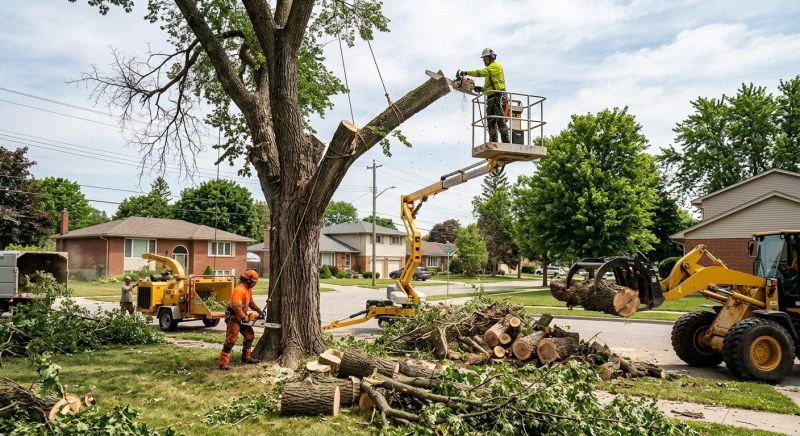
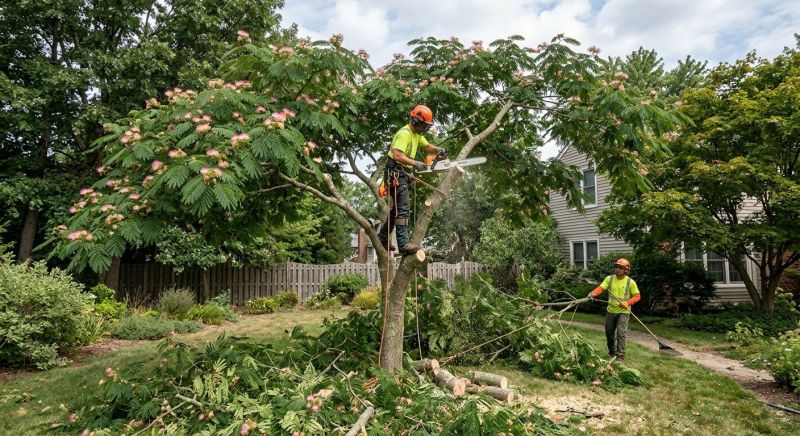
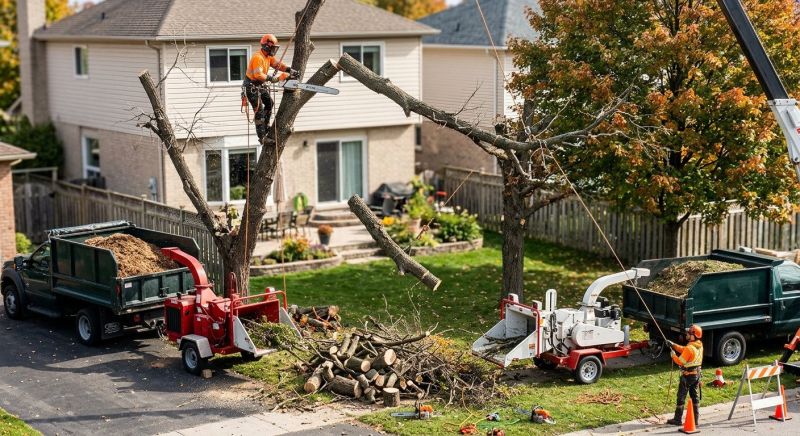
Dogwood Tree Removal Questions
When is the best time to remove a Dogwood tree? The ideal time for removal is during dormancy, typically in late fall or winter, when the tree is not actively growing.
What signs indicate a Dogwood tree needs removal? Signs include extensive disease, structural damage, or persistent health issues that cannot be remedied.
Does removing a Dogwood tree require any permits? Permit requirements vary by location; it's advisable to check local regulations before removal.
What should property owners consider before removing a Dogwood tree? Consider the tree’s size, location, and impact on the landscape to determine if removal is the best option.
Request Dogwood Tree Removal in Bucks County, PA
Use the quote form on this page to share the basics of your project and request more information for the type of work you need.